(This article contains spoilers)
Fear is a personal experience. Some people can’t bear the sight of blood while others can enjoy a meal while watching a slasher. Despite these stark contrasts, scary video games have always been popular for their diversity and audacity, from the regular haunted house to stories digging deep into our very minds.
In this landscape of scary games, the Little Nightmares franchise was considered a safe bet, games that tapped into a unique pool of fear: childhood. And even more than childhood, it’s images of innocence and playfulness turned into a story trying to kill you.
Lost Legacy
When Little Nightmares came out in 2017, it was a brand-new take on the horror genre in video games. Tarsier Studios created a compelling world so creepy you felt uneasy. And playing this strange child in the middle of so many horrors set the tone: nothing good could happen unless you escaped. The design was a mix of round shapes with threatening features, humanoid monsters reminiscing of a cruel world of adults trying to kill the innocence of children, and death was expected.
The sequel, Little Nightmares II, came out in 2021. A worthy successor to the first installment, it kept the same recipe, and players found the same atmosphere and mechanics that made the success of the franchise. But that was before. Two years prior this release, Tarsier was acquired by Amplifier Game Invest (which is part of the Embracer Group), forced to leave its little children behind after the second game, the Little Nightmares franchise belonging to Bandai Namco Entertainment.
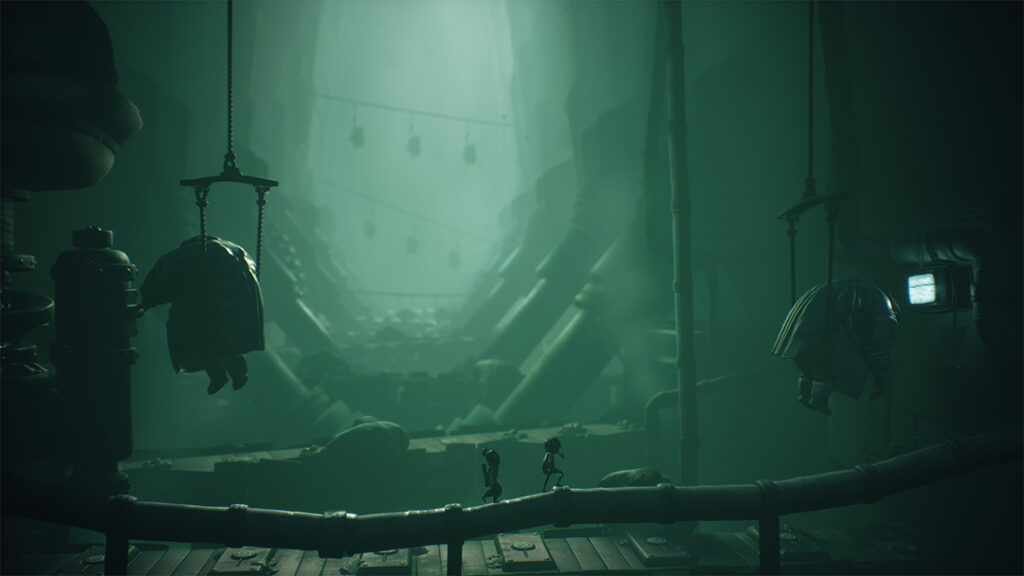
Enters Supermassive Games. The studio at the origin of horror games such as Until Dawn or The Dark Pictures Anthology series became the architect of the third game, Little Nightmare III. But a signature is not something you can transfer so easily, and if the game looks fully part of the franchise, it also lost most of what made it so special.
Darkness Doesn’t Mean Fear
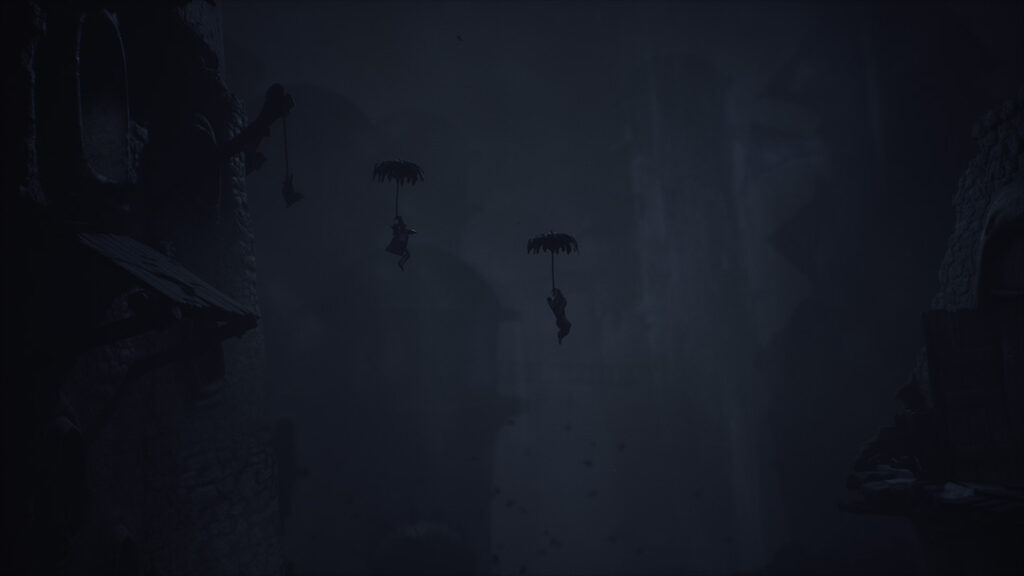
The art direction is, overall, faithful to the previous games. The playable characters are strange, frail little children, the creatures are huge compared to them, look bloated, monstrous but also way too human, and the environment kept its unique setting. It is indeed a Little Nightmares game! But the world itself lost something, especially when it’s plunged into darkness, drowned by the lack of light, something the previous games didn’t really use as a primary fear factor.
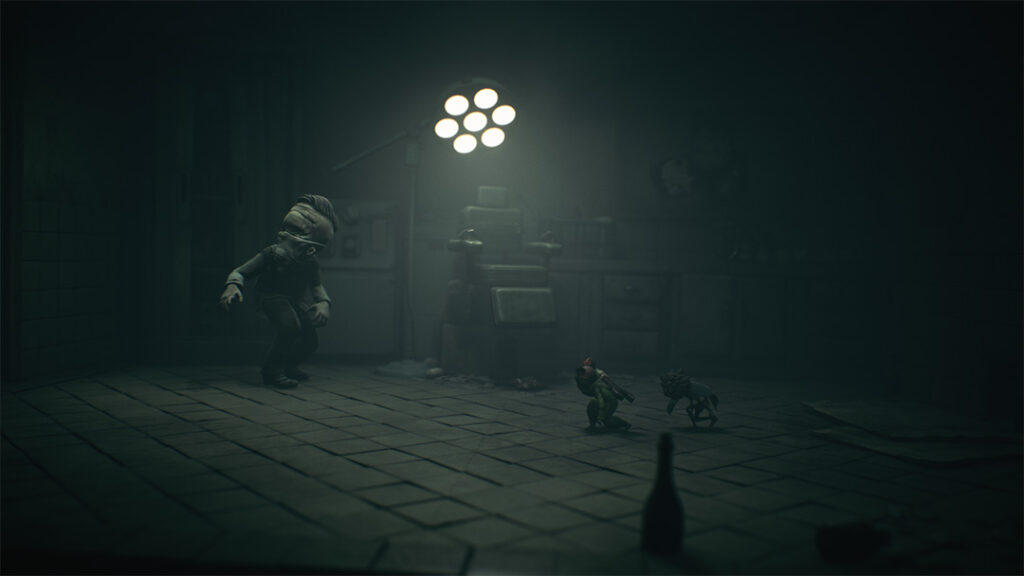
Because Little Nightmares wasn’t about the dark, it was about navigating through a nightmare made of different scenes, playing with shadows and light as a game mechanic, sneaking under the light, solving puzzles, finding your way out with a monster on your heels. The tension the previous games were playing with is lost here in favor of having a screen so dark, you can barely make out what’s happening. The characters end up finding a flashlight, but it only adds to the frustration. Little Nightmares II used the same mechanic, but it had a purpose and was used more sparingly.
A Walking Simulator?
I like slow games that give you room and time to think and look around, and with the way Little Nightmares III plays out, it could have been this kind of game. But it’s not. The level design has lost its appeal as the characters go through useless rooms one after another. I even had to enable the accessibility mode to highlight interactive objects. I thought I was missing so many things, but I didn’t. Everything is only nice decor. Menacing characters used to be more present before, the threat of being seen, chased or discovered was constant. In this third game, it’s more about going from one room to another. No one is looking at you most of the time.
As for the single player mode, it feels like a deactivated multiplayer game. There’s nothing really added by the second character except for being able to action some mechanisms, or use a different weapon a few times, something that has been clearly designed for the multiplayer mode, but that doesn’t deliver when you play alone. And maybe that’s where Supermassive made a mistake: relying on two characters without designing a game that really exploits it.
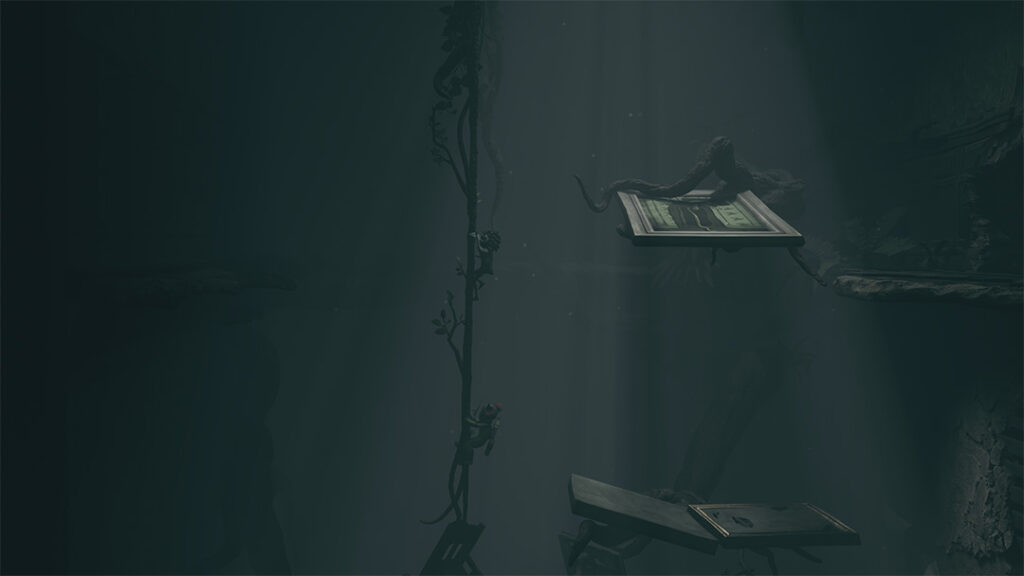
In the story, the second character is a companion, an imaginary friend, someone the main character can’t bring with them in their reality. It’s an interesting story to exploit, to find someone again and again in those horrible dreams. And it makes the post credits scene only more sad. But it comes after a few hours of a game that felt pretty pointless as no story seems to unfold. Surviving the night is a goal in itself, I guess.
If you’re looking for a fresh take on the “creepy cute” horror genre, The Midnight Walk is a better choice. While it’s not made to be as scary and creepy as a Little Nightmare game, the universe is rich and offers something new.